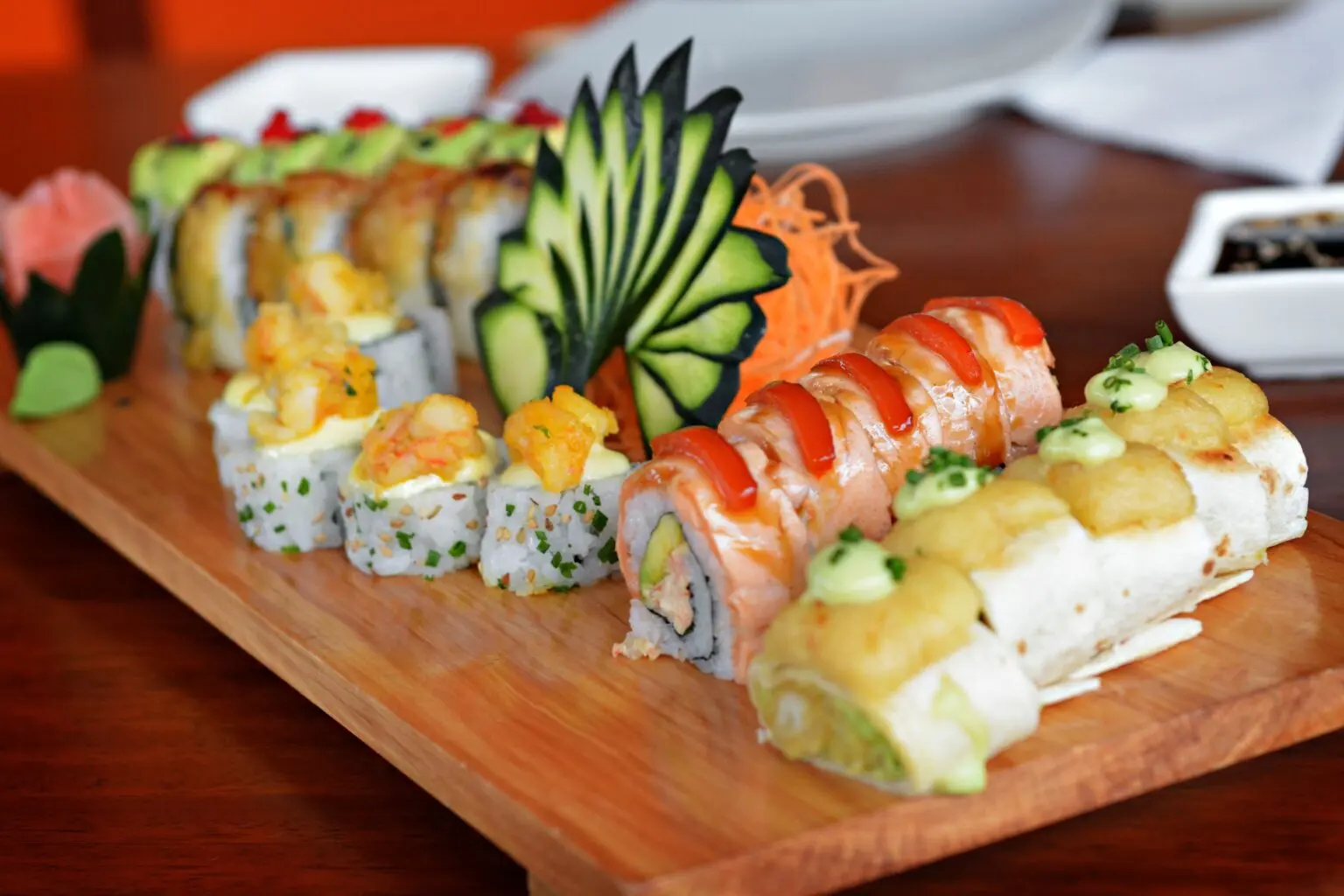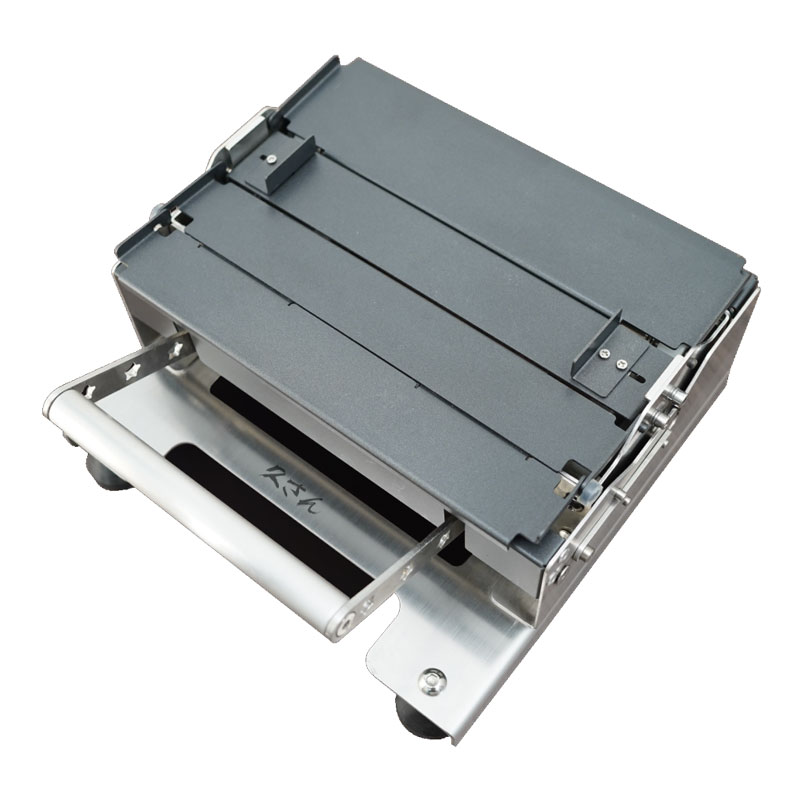
As consumers grow more demanding about rice balls, and ‘fast’ and ‘consistent’ become the survival rules for sushi shops, leading brands no longer compete only on recipes and marketing — the contest has extended deeper into the supply chain:Equipment intelligence。
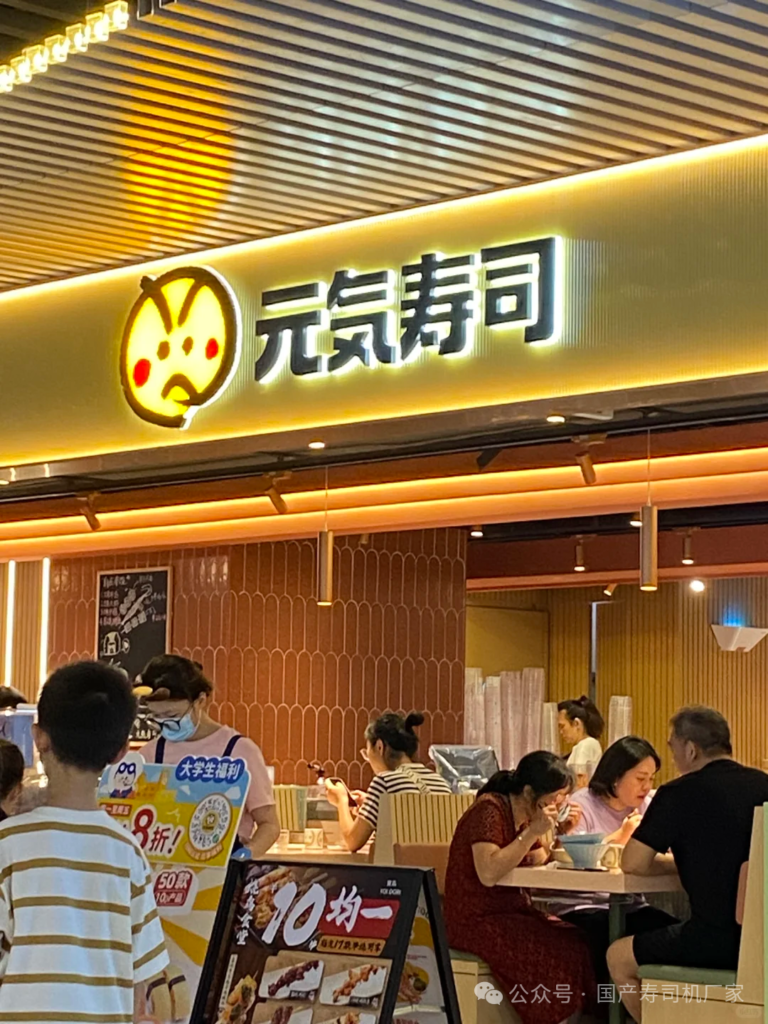
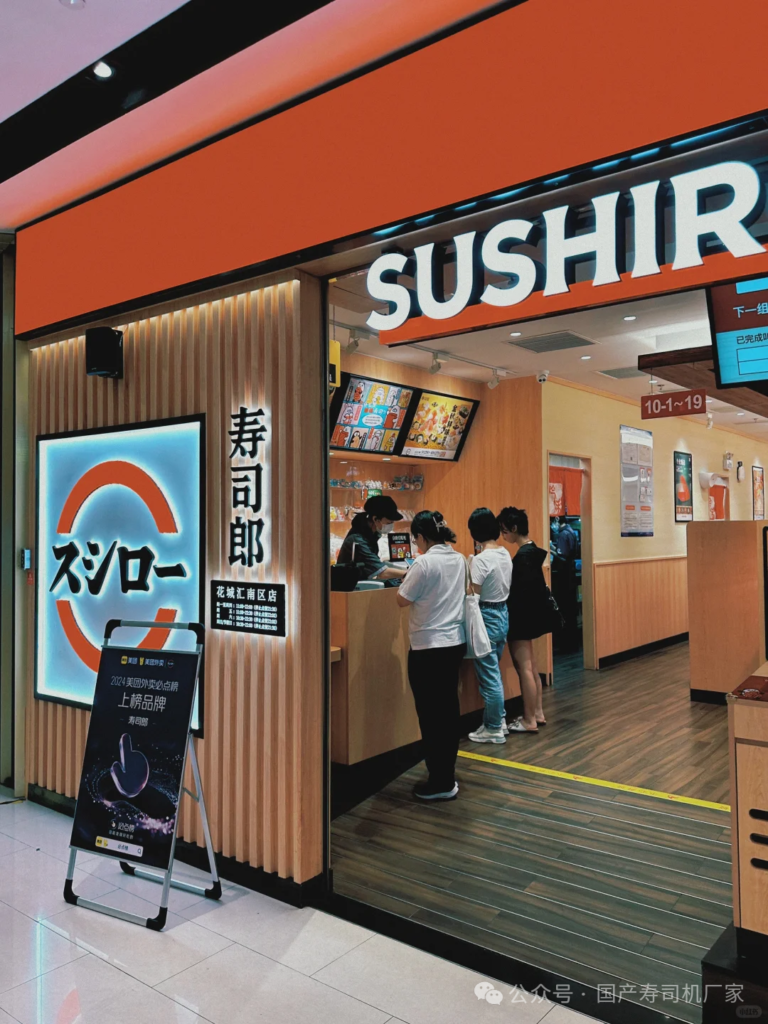
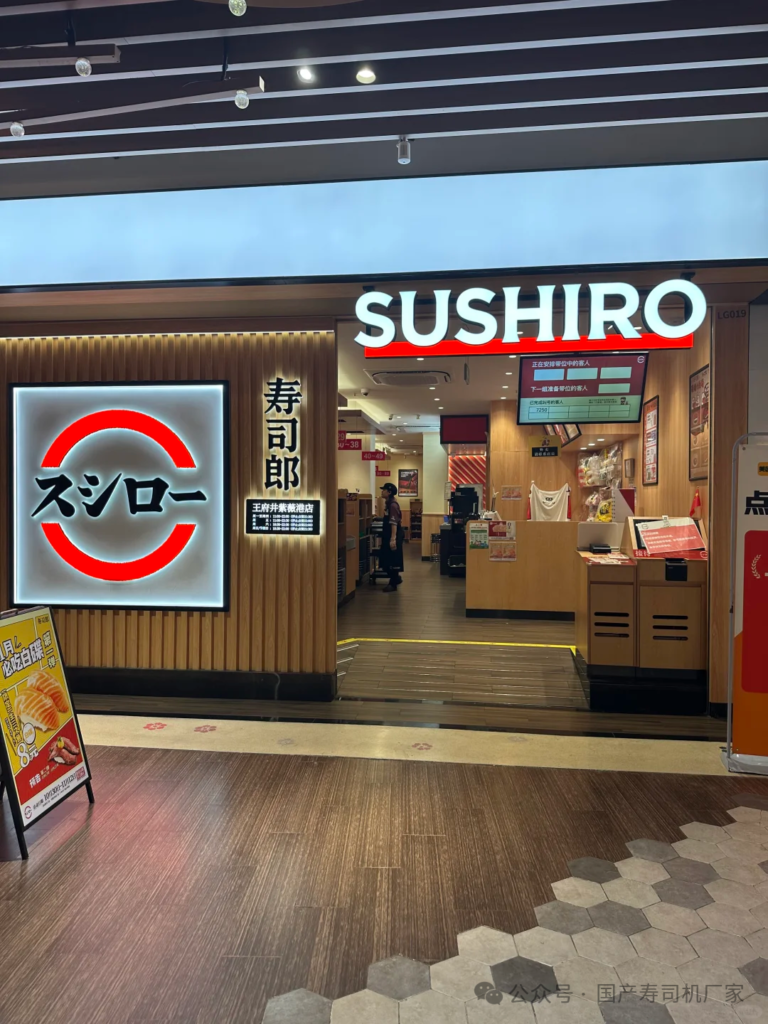
From Sushiro to Genki Sushi,More than 10 chain brandsare racing ahead of the next growth curve through equipment upgrades. This isn’t just machine replacement — it’s the ticket to the next round of competition for sushi shops.
1 Labor Costs — the Core Driver of Equipment Upgrades
In an increasingly competitive market, controlling labor costs has become critical to a sushi shop’s survival and growth. Sushi making is labor-intensive work traditionally dependent on skilled chefs’ hand-forming — meaning high labor costs and unstable output quality.
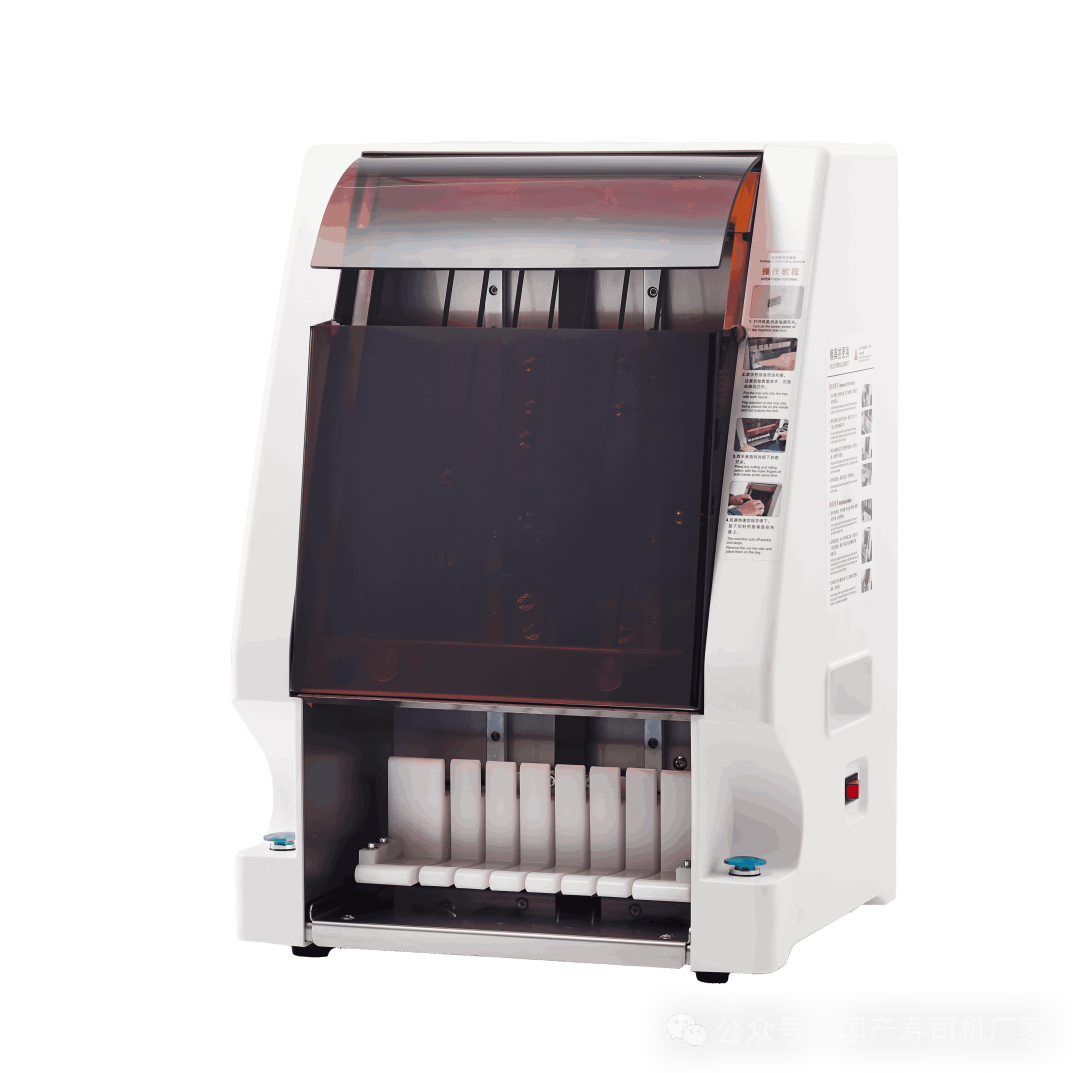
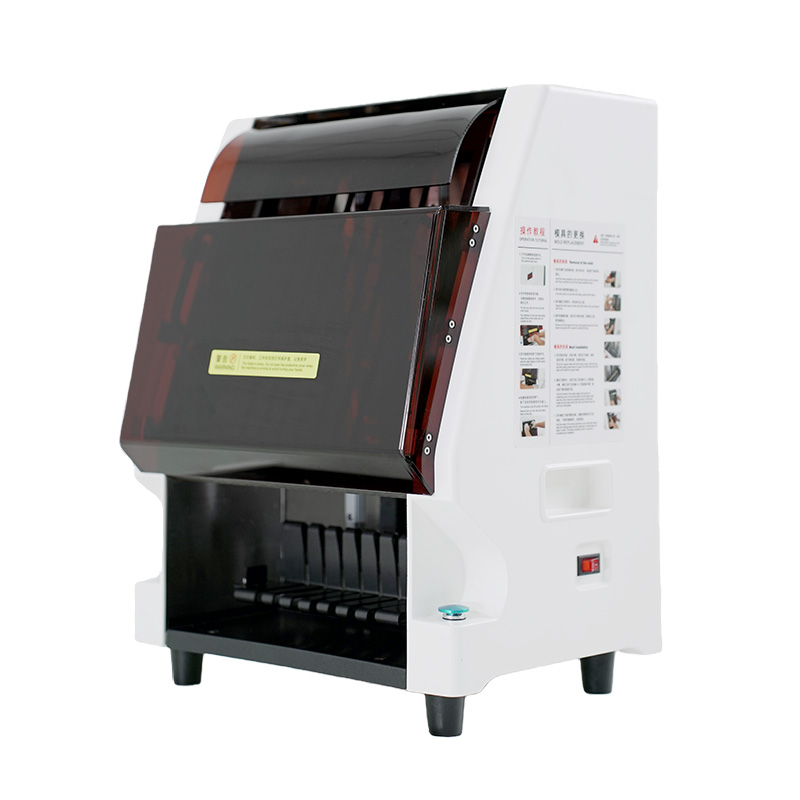
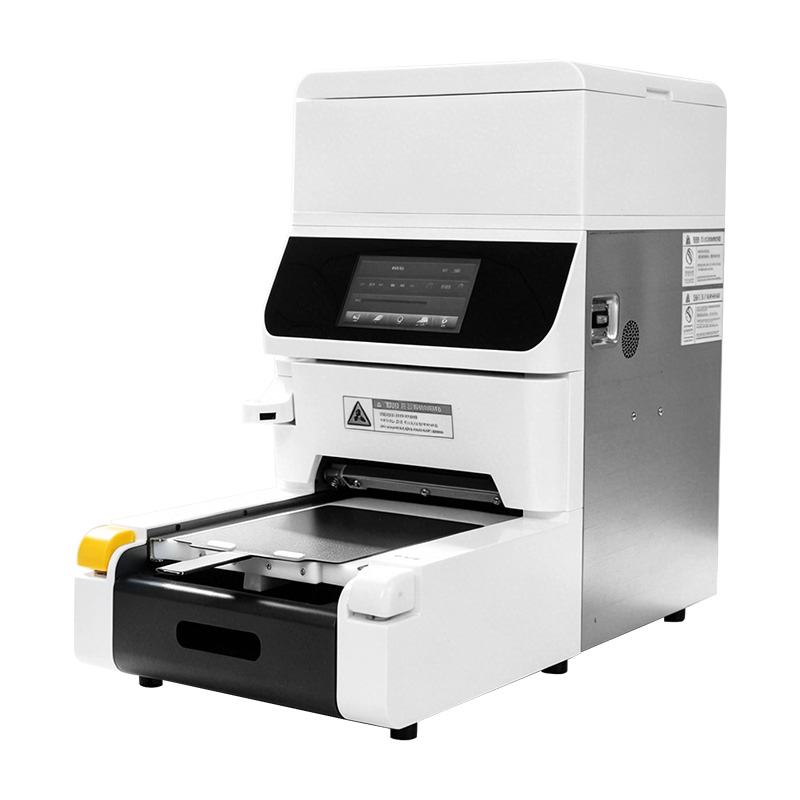
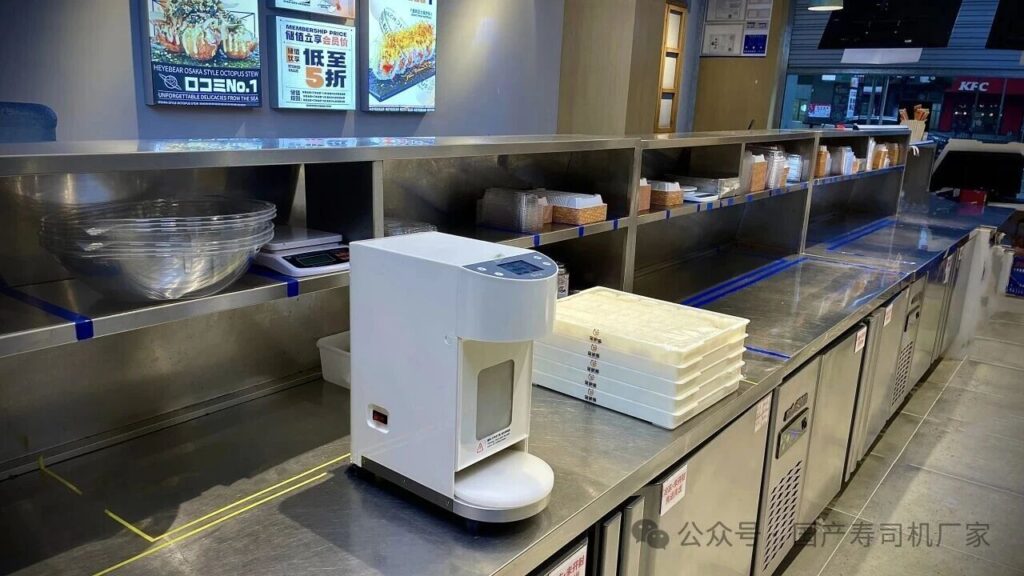
The equipment revolution in the sushi industry started by solving this core pain point. When Sushiro pushed store upgrades, it equipped its larger locations withSmart Rice Ball Machine. The machine canPrecise control of rice ball size and firmness, replacing traditional hand-making with automated production and significantly reducing per-store labor needs.
2 A dual breakthrough in efficiency and standardization
Chain sushi restaurants have upgraded their kitchen systems one after another. The automatic rice ball machines they introduced multiply output efficiency whileensures consistent output. With simple training, new staff can produce output quickly and consistently. This standardized operation not only cuts training costs but also optimizes staffing.
Brands like Sushiro and Genki Sushi have introduced rice ball equipment, replacing part of the hand-forming work with automation. The core logic of this trend: as labor costs keep climbing, the payback period on equipment investment keeps shrinking.
3 Onokuta Rice Ball Machine — Rebuilding Store Competitiveness
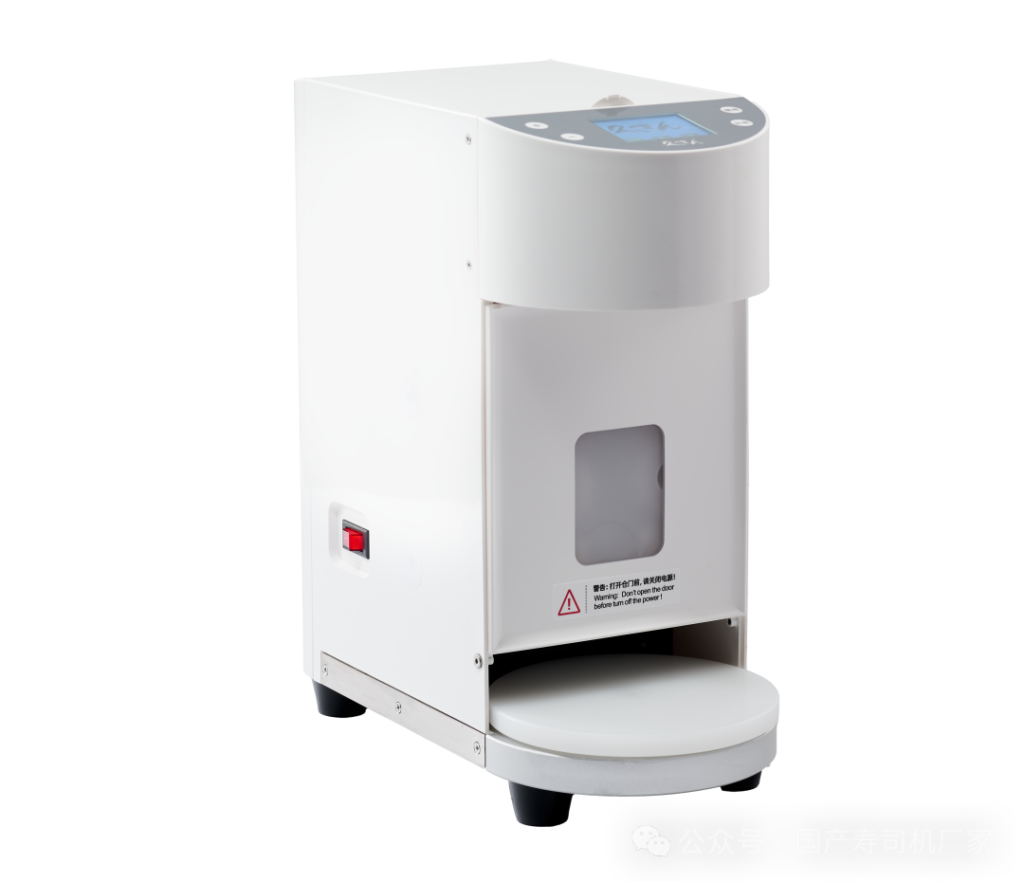
Amid the industry upgrade wave,Onokuta — Smart Rice Ball Machineprecisely matches store needs — through smart pressure control and mold systems, it delivers standardized output of many rice ball varieties.
Its built-in rice ball modes with customizable parameters lower the skill requirements for operators and let stores do more with less staff. Combined with1,800 pieces per hourhigh output capacity, this solution lets stores meet concentrated peak demand with minimal staff.
4 Automation is the key to breaking through
Contrary to conventional thinking, the economics of restaurant equipment upgrades have fundamentally changed. Equipment used to be seen as a one-time cost; now the labor savings and efficiency gains from smart machines make them a far more valuable long-term investment.
For chain sushi brands, the value of smart rice ball machines goes beyond improving single-store performance — it builds a replicable, standardized operating model. This reduces stores’ dependence on specific skilled staff, freeing brand expansion from labor bottlenecks and creating the conditions for scale.
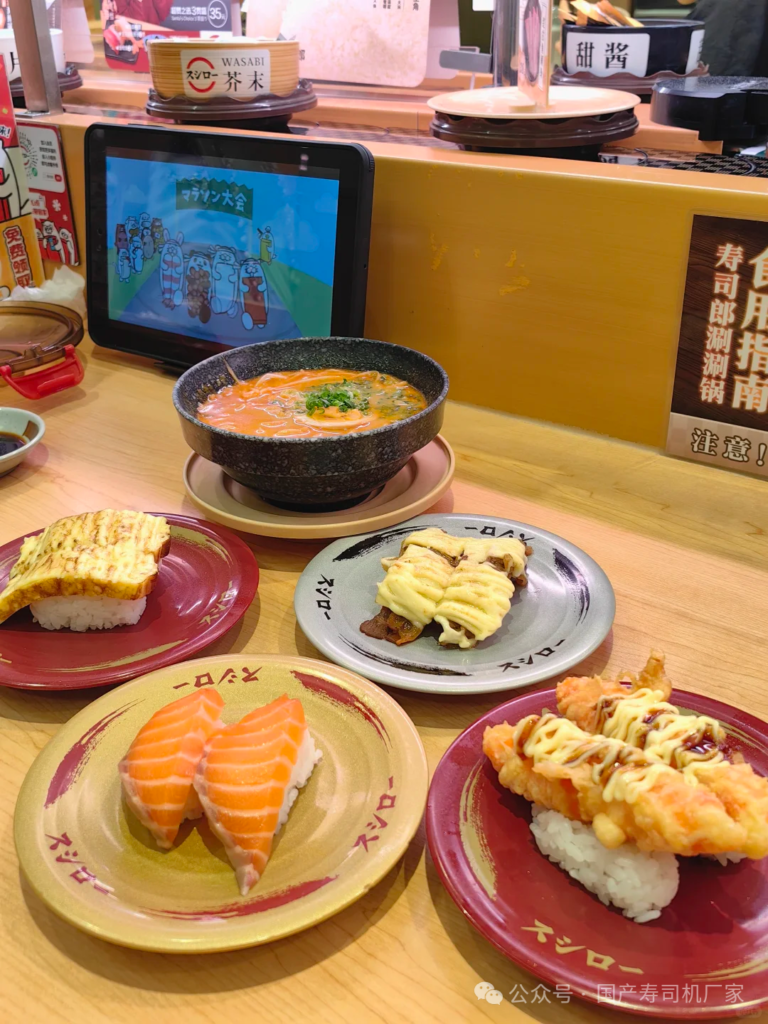
With efficiency and cost control now the industry’s core competitiveness, equipment intelligence is no longer optional — it is the inevitable path for sushi shops to improve profitability and achieve sustainable growth. Equipment solutions represented by the Onokuta smart rice ball machine are reducing labor dependence and optimizing operating costs, providing a new engine of growth for sushi brands.